
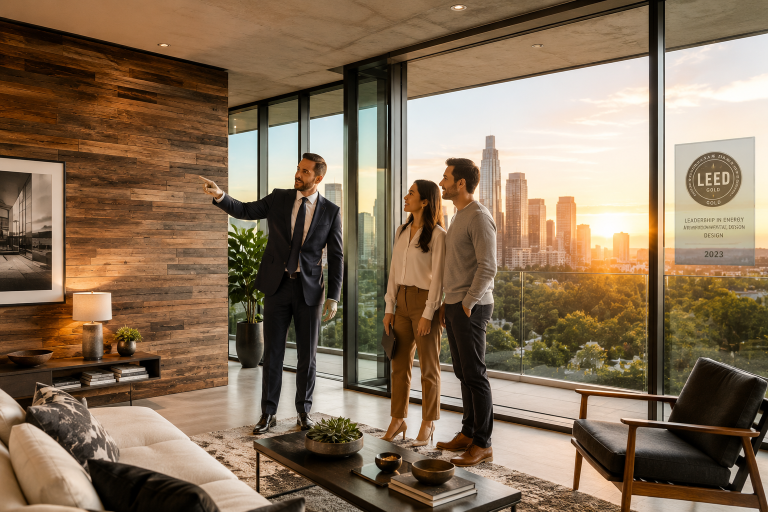
When it comes to increasing the value of a home, many homeowners focus on interior design and decor, but sustainable building materials can have a significant impact on a property’s worth. By incorporating eco-friendly materials into a building or renovation project, homeowners can not only reduce their environmental footprint but also boost their home’s value.
One of the primary reasons sustainable building materials are so effective at increasing home value is that they offer a unique blend of energy efficiency, durability, and low maintenance costs. For example, reclaimed wood and bamboo are highly prized for their aesthetic appeal and ability to reduce waste. Additionally, recycled steel and low-carbon concrete can provide a high level of strength and durability while minimizing environmental impact.
Why Sustainable Building Materials Matter for Homeowners
So, what exactly are sustainable building materials, and how do they contribute to a home’s value? Sustainable building materials are products that are designed to minimize environmental impact throughout their entire lifecycle, from production to disposal. This can include materials that are recycled, reused, or sourced from renewable resources. By choosing sustainable building materials, homeowners can reduce their carbon footprint, lower their energy bills, and create a healthier living space.
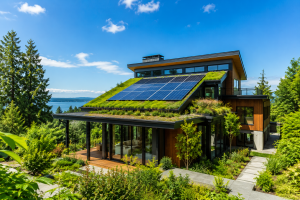
For instance, green roofs can provide insulation, reduce stormwater runoff, and create habitats for local wildlife. Similarly, low-VOC paints and natural flooring materials can improve indoor air quality and reduce the risk of toxic emissions. By investing in sustainable building materials, homeowners can create a more comfortable, healthy, and environmentally friendly living space that also happens to be highly desirable to potential buyers.
Can You Increase Home Value Without Breaking the Bank?
The good news is that incorporating sustainable building materials into a home renovation or building project doesn’t have to break the bank. While some eco-friendly materials may be more expensive than their traditional counterparts, many sustainable building materials are highly cost-effective in the long run. For example, energy-efficient windows and insulation can significantly reduce energy bills, while durable materials like reclaimed wood and recycled metal can minimize maintenance costs.
In fact, a study by the National Association of Home Builders found that homes built with sustainable building materials can sell for up to 10% more than similar homes built with traditional materials. This is because sustainable building materials are highly prized by homebuyers who are looking for properties that are not only beautiful and functional but also environmentally friendly.
Homes built with sustainable materials can sell for up to 10% more.
National Association of Home Builders
How to Choose the Right Sustainable Building Materials for Your Home
Consider Your Climate & Region
For example, if you live in a hot and sunny climate, you may want to choose materials with high solar reflectance to reduce heat gain.
Address Specific Home Needs
For instance, if you have a large family, you may want to choose durable materials that can withstand heavy use.
Consult a Professional
A knowledgeable contractor or architect can help you navigate the many options available and choose the sustainable building materials that best fit your needs and budget.
Finally, don’t be afraid to consult with a professional who has experience with sustainable building materials. By taking the time to research and choose the right sustainable building materials, you can create a home that is not only beautiful and functional but also environmentally friendly and highly valuable.
Is it Worth Investing in Sustainable Building Materials?
The answer is a resounding yes. While sustainable building materials may require a higher upfront investment, they can provide long-term benefits that far outweigh the costs. From energy efficiency and low maintenance costs to increased home value and improved indoor air quality, sustainable building materials offer a wide range of advantages that can enhance your quality of life and reduce your environmental footprint.
Frequently asked questions
Q: What are some examples of sustainable building materials?
A: Examples of sustainable building materials include reclaimed wood, bamboo, recycled steel, low-carbon concrete, and green roofs.
Q: How do sustainable building materials increase home value?
A: Sustainable building materials can increase home value by providing a unique blend of energy efficiency, durability, and low maintenance costs, making them highly desirable to potential buyers.
Q: Are sustainable building materials more expensive than traditional materials?
A: While some sustainable building materials may be more expensive than traditional materials, many are highly cost-effective in the long run due to their energy efficiency and low maintenance costs.
Q: How can I choose the right sustainable building materials for my home?
A: To choose the right sustainable building materials for your home, consider the climate and region you live in, think about the specific needs of your home, and consult with a professional who has experience with sustainable building materials.
Q: What are the benefits of using sustainable building materials?
A: The benefits of using sustainable building materials include energy efficiency, low maintenance costs, increased home value, and improved indoor air quality, among others.